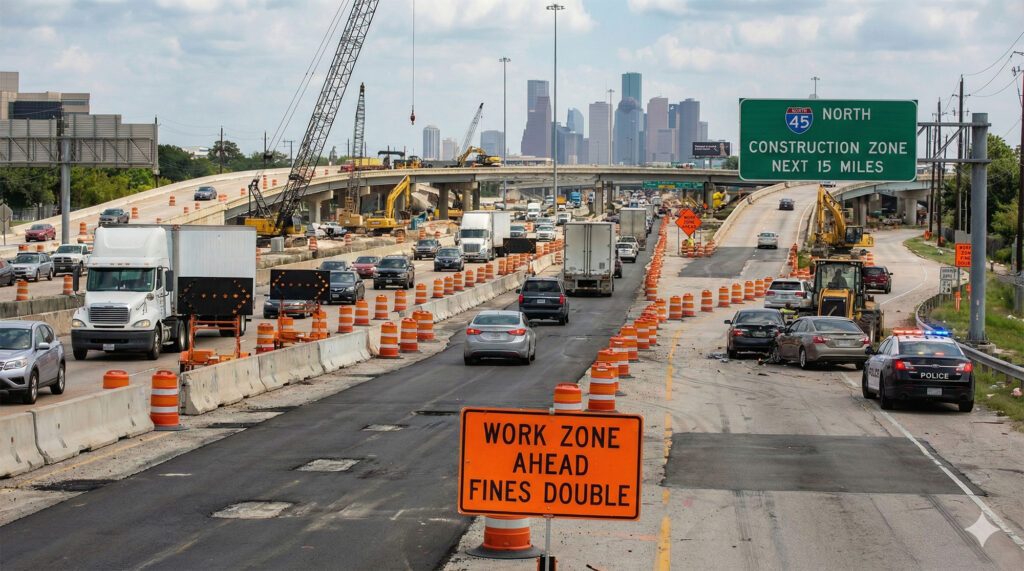

You just got into a car accident. Maybe it was a fender bender on I-45, or perhaps something more serious on the Loop. Your neck is sore, your car is damaged, and you’re already worried about how you’re going to pay for everything. Then, like clockwork, the insurance adjuster calls with some surprisingly good news: they want to settle your claim right away, and they’re ready to cut you a check today.
Sounds great, right? Not so fast.
If there’s one question we hear more than any other at our office, it’s this: “The insurance company offered me money already—should I just take it?” The short answer? Almost always no. The longer answer? Well, that’s what we’re here to talk about today.
Why Insurance Companies Move So Fast (And Why That Should Make You Nervous)
Let’s get one thing straight from the beginning: insurance companies are businesses. They make money by collecting premiums and paying out as little as possible in claims. That’s not being cynical—it’s just how the business model works. The adjuster who calls you might seem friendly and concerned about your well-being, but their job performance is often measured by how much money they save the company.
When an insurance company reaches out quickly with a settlement offer, they’re hoping you’ll do exactly what they want: sign on the dotted line before you fully understand what your claim is actually worth. They know something you might not know yet—many injuries don’t show their full extent for days or even weeks after an accident.
Think about it this way: if you hired someone to sell your car, and they came back two hours later saying they found a buyer, wouldn’t you want to know if they actually got a fair price? Or would you suspect they just took the first offer that came along so they could get their commission and move on to the next sale? Insurance adjusters operate on the same principle. A quick settlement is a win for them, but it might be a loss for you.
The Real Problem: You Don't Know What You Don't Know Yet
Here’s the tricky part about accident injuries: they’re sneaky. You might walk away from a collision feeling okay, maybe just a little shaken up. Your adrenaline is pumping, you’re focused on exchanging information and dealing with the police report, and everything seems manageable. Then you wake up the next morning and can barely turn your head. Or maybe everything seems fine for a week, but then the headaches start. Or the back pain. Or you realize your shoulder hasn’t been the same since the accident.
This happens all the time. Soft tissue injuries, whiplash, back problems, and even some types of traumatic brain injuries can take time to fully manifest. If you accept a settlement check and sign a release form before you know the full extent of your injuries, you’re essentially gambling with your health and your financial future.
Let’s say the insurance company offers you $3,000 to settle your claim three days after your accident. You haven’t even been to the doctor yet, but you figure it’ll cover your car repairs and maybe give you a little extra for your trouble. You take the money. Two weeks later, you’re diagnosed with a herniated disc that requires physical therapy for months and possibly surgery. The medical bills start piling up—$15,000, $25,000, $50,000. Can you go back to the insurance company and ask for more money? Nope. Once you sign that release, you’re done. They’ll tell you thanks but no thanks, and they’ll be legally correct.
What That Early Settlement Offer Probably Doesn't Cover
When insurance companies make quick, lowball offers, they’re typically only thinking about the most obvious, immediate costs. They might throw in enough to cover your current car repairs and maybe your emergency room visit if you had one. But what about everything else?
A fair settlement should account for your past and future medical expenses, not just the bills you’ve already received. If your doctor says you’ll need ongoing treatment, that costs money. If you’ll need future surgeries or long-term care, that’s part of your claim too. Early settlement offers almost never account for future medical needs because the insurance company is hoping you won’t even think about that possibility.
Then there’s lost wages. Maybe you missed a week of work because of your injuries, or maybe you’ve had to cut back your hours because you can’t perform your job duties the same way. If you’re a construction worker and you hurt your back, you might not be able to return to heavy lifting for months. If you drive for work and you’re now dealing with severe anxiety behind the wheel, that’s a real impact on your ability to earn a living. Early settlement offers typically don’t factor in lost earning capacity or future wage losses.
And what about pain and suffering? This isn’t just some made-up legal concept—it’s real compensation for the physical pain and emotional distress you’ve endured. Can you put a price on not being able to play with your kids for three months? On missing your daughter’s quinceañera because you’re stuck in physical therapy? On the anxiety you now feel every time you get in a car? Insurance companies don’t like paying for pain and suffering, so their initial offers usually minimize or completely ignore this component.
Property damage to your vehicle is another area where early offers often fall short. They might offer to pay for repairs based on the cheapest body shop in town using aftermarket parts, when you’re entitled to have your car restored to its pre-accident condition with proper parts. If your car is totaled, they might offer you the bare minimum book value without considering what it would actually cost you to replace your vehicle in the current market.
The Psychology Game Insurance Companies Play
Insurance adjusters are trained in negotiation tactics, and one of their favorite plays is creating a false sense of urgency. They might tell you this is a “limited time offer” or that you need to decide quickly before the offer expires. They might suggest that if you don’t accept now, the process will become long and complicated, or that you might not get anything at all if you try to negotiate.
This is pressure sales tactics 101, and it works because most people aren’t familiar with how personal injury claims actually work. The truth is, you almost always have plenty of time. In Texas, you generally have two years from the date of your accident to file a personal injury lawsuit. There’s no real deadline that forces you to accept an offer in the first week or even the first month after your accident.
Some adjusters will also try to be your friend. They’ll express sympathy about your situation, tell you they want to help, and position themselves as being on your side against the big, bad insurance company bureaucracy. They might even imply that accepting their offer quickly is somehow doing them a personal favor. Remember: they’re not your friend. They work for the insurance company, and their loyalty is to their employer’s bottom line, not to your wellbeing.
Red Flags That Scream "Don't Sign!"
You should be especially wary if the settlement offer comes before you’ve finished all your medical treatment. How can anyone accurately value your claim if they don’t even know the full extent of your injuries yet? If you’re still going to physical therapy, still seeing doctors, or still experiencing symptoms, it’s way too early to settle.
Another major red flag is if the insurance company is asking you to sign forms or give recorded statements before you’ve talked to an attorney. They might make it sound routine—just some paperwork to process your claim—but these documents can seriously harm your case. A recorded statement given while you’re still in pain and confused about what happened can be used against you later. A medical release form might give them access to your entire medical history, which they can then use to argue that your injuries were pre-existing.
If the offer seems way too good to be true, it probably is. But more commonly, if the offer just seems “okay” and you’re thinking “well, I guess that’s something,” that’s actually a red flag too. You shouldn’t have to guess whether a settlement is fair. You should know it’s fair because you or your attorney has actually calculated what your claim is worth based on all your damages.
How to Know What Your Claim Is Actually Worth
Here’s the honest truth: unless you work in personal injury law, you probably don’t have a good sense of what your claim is worth. And that’s okay! That’s not an insult to your intelligence—it’s just reality. Insurance companies know this, which is why they can take advantage of people.
Calculating the true value of a personal injury claim involves looking at multiple factors:
Medical Expenses (Past and Future)
- Emergency room visits and ambulance transportation
- Doctor appointments and specialist consultations
- Physical therapy and rehabilitation sessions
- Prescription medications and medical equipment
- Surgical procedures and hospital stays
- Future medical treatment your doctors say you’ll need
Lost Wages and Earning Capacity
- Documentation of time missed from work due to your injuries
- Income lost while recovering or attending medical appointments
- Reduced hours or inability to work overtime because of limitations
- Loss of earning capacity if you can’t return to the same type of work
- Future wage losses if your injuries permanently affect your ability to earn income
- Impact on self-employment or cash-based income (yes, this counts even if you’re paid under the table)
Property Damage
- Multiple repair quotes from reputable body shops, not just the cheapest option
- Proper OEM (original equipment manufacturer) parts, not aftermarket substitutes
- If your vehicle is totaled, the actual replacement cost in today’s market for a similar vehicle in similar condition
- Rental car expenses while your vehicle is being repaired
- Loss of use if you were without transportation
Pain and Suffering
- Physical pain and discomfort you’ve experienced and will continue to experience
- Emotional distress, anxiety, or depression resulting from the accident
- Loss of enjoyment of life and activities you can no longer participate in
Impact on your relationships and family life - Permanent scarring, disfigurement, or disability
- The severity and duration of your injuries (more severe, longer-lasting injuries warrant higher compensation)
The reality is, most people don’t have the expertise or the information to accurately value their own claims. That’s exactly what insurance companies count on.
Why Your Health Insurance Might Not Help (And Why That Matters)
Here’s something that catches a lot of people off guard: your health insurance might not cover your medical bills from an accident, or if they do pay initially, they might come after you later to get that money back from your settlement. Surprised? Most people are.
When you’re injured in an accident caused by someone else, health insurance companies often take the position that the at-fault party’s insurance should be paying for your treatment, not them. They might deny claims outright, saying the bills are related to an accident and should be covered by auto insurance or the liable party. This can leave you stuck with medical bills you can’t pay while you’re waiting for your injury claim to be resolved.
Even worse, many health insurance policies include something called “subrogation rights.” This is fancy legal language that basically means if your health insurance does pay for your accident-related medical care, they have the right to be reimbursed from any settlement or judgment you receive. So if your health insurance pays $15,000 in medical bills and you later settle your case for $30,000, your health insurance company can come knocking and demand their $15,000 back. Suddenly that settlement doesn’t go as far as you thought it would.
This is yet another reason why accepting an early, low settlement offer can be disastrous. If you accept $5,000 from the insurance company to close your claim, and then your health insurance denies coverage or demands reimbursement for $8,000 they already paid out, you’ve actually lost money. You’d owe $3,000 more than you received, plus you’d still have to pay for any future medical treatment out of your own pocket.
Medicare and Medicaid have even stricter reimbursement rules. If you receive these benefits and they pay for accident-related care, they have a legal right to be repaid from your settlement, and they’re very aggressive about collecting. Federal law requires this, and there’s not much wiggle room.
The bottom line? Don’t assume your health insurance will cover your accident-related medical care, and don’t assume that any money they do pay is money you get to keep. These are complex issues that need to be factored into the true value of your claim, and they’re things that insurance adjusters making quick settlement offers conveniently don’t mention.
What You Should Do Instead of Accepting That Quick Offer
If you receive an early settlement offer, the single best thing you can do is talk to a personal injury attorney before you respond. And here’s the good news: consultations are free. That means you can get a professional opinion about whether the offer is fair without spending a dime. If an attorney thinks the offer is actually reasonable, they’ll tell you. But more often, they’ll explain why the offer is way below what you deserve and what you should do next.
While you’re waiting to speak with an attorney, focus on your medical treatment. Go to all your doctor appointments, follow your treatment plan, and document everything. Keep a journal of your pain levels, what activities you can’t do anymore, and how your injuries are affecting your daily life. Take photos of your injuries. Save all your medical bills and receipts. This documentation will be crucial in building your case for fair compensation.
Don’t give recorded statements to the insurance company without talking to a lawyer first. You can politely tell the adjuster that you’re not comfortable giving a statement yet and that you’ll be in touch once you’ve had a chance to fully assess your situation. Don’t sign any forms, releases, or settlement agreements without having an attorney review them first.
It’s also important to know that hiring an attorney doesn’t mean you’re being difficult or greedy. You have the right to fair compensation, and insurance companies know they have to take claims more seriously when an attorney is involved. Study after study has shown that accident victims who hire attorneys typically receive significantly higher settlements than those who try to negotiate on their own—even after paying attorney fees.
The Bottom Line: Patience Usually Pays Off
We get it. When you’re hurt, bills are piling up, and you’re not sure how you’re going to make ends meet, that settlement check can look pretty tempting. The insurance company is counting on your financial stress to pressure you into accepting less than you deserve. They know that people need money now, and they use that urgency against you.
But here’s what we’ve seen time and time again in over 25 years of handling these cases: people who wait, who take the time to understand their injuries fully, who get legal advice, and who negotiate properly end up with settlements that are multiple times higher than the initial offers. We’ve seen insurance companies offer $5,000 upfront and then settle for $50,000 after proper negotiation. We’ve seen $10,000 offers turn into $100,000 settlements when all the damages were properly calculated and documented.
Yes, it takes longer. Yes, it requires patience. But you only get one shot at this. Once you sign that settlement agreement and cash that check, you can’t go back and ask for more money when you realize the offer wasn’t enough. You deserve to know what you’re agreeing to before you sign away your rights.
A Personal Note to Our Hispanic Community
If you’re reading this and you’re part of Houston’s Hispanic or Latino community, we want you to know something important: your immigration status doesn’t matter when it comes to getting fair compensation after an accident. Whether you’re a citizen, have a visa, or are undocumented, you have legal rights if you’ve been injured. The insurance company can’t ask about your immigration status, and neither can the other side’s attorney if your case goes to court. Texas law protects you.
We’ve helped thousands of people in our community get the compensation they deserve after accidents, and we’ve never asked about papers or immigration status. What matters is that you were hurt, someone else was at fault, and you deserve to be made whole.
Don't Let Them Rush You Into a Bad Decision
At the end of the day, that early settlement offer is almost never in your best interest. It’s in the insurance company’s best interest. They want to close your claim quickly and cheaply. You deserve to take the time to understand your injuries, get proper medical treatment, and make an informed decision about what’s fair.
If you’ve been in an accident and received a settlement offer, call us before you do anything else. The consultation is free, everyone on our team speaks Spanish, and we can review the offer and let you know whether it’s actually fair or if you’re being taken advantage of. We work on a contingency basis, which means we don’t get paid unless we win your case and get you compensation. You have nothing to lose by calling and everything to gain.
Remember: the insurance company has a team of lawyers working to pay you as little as possible. Shouldn’t you have someone on your side too?
Don’t let them pressure you. Don’t let them rush you. And definitely don’t sign anything until you know what you’re really agreeing to. Your future self will thank you for taking the time to get it right.